Biological nitrogen fixation: how to cut up to 40% of nitrogen fertilizer without losing yield
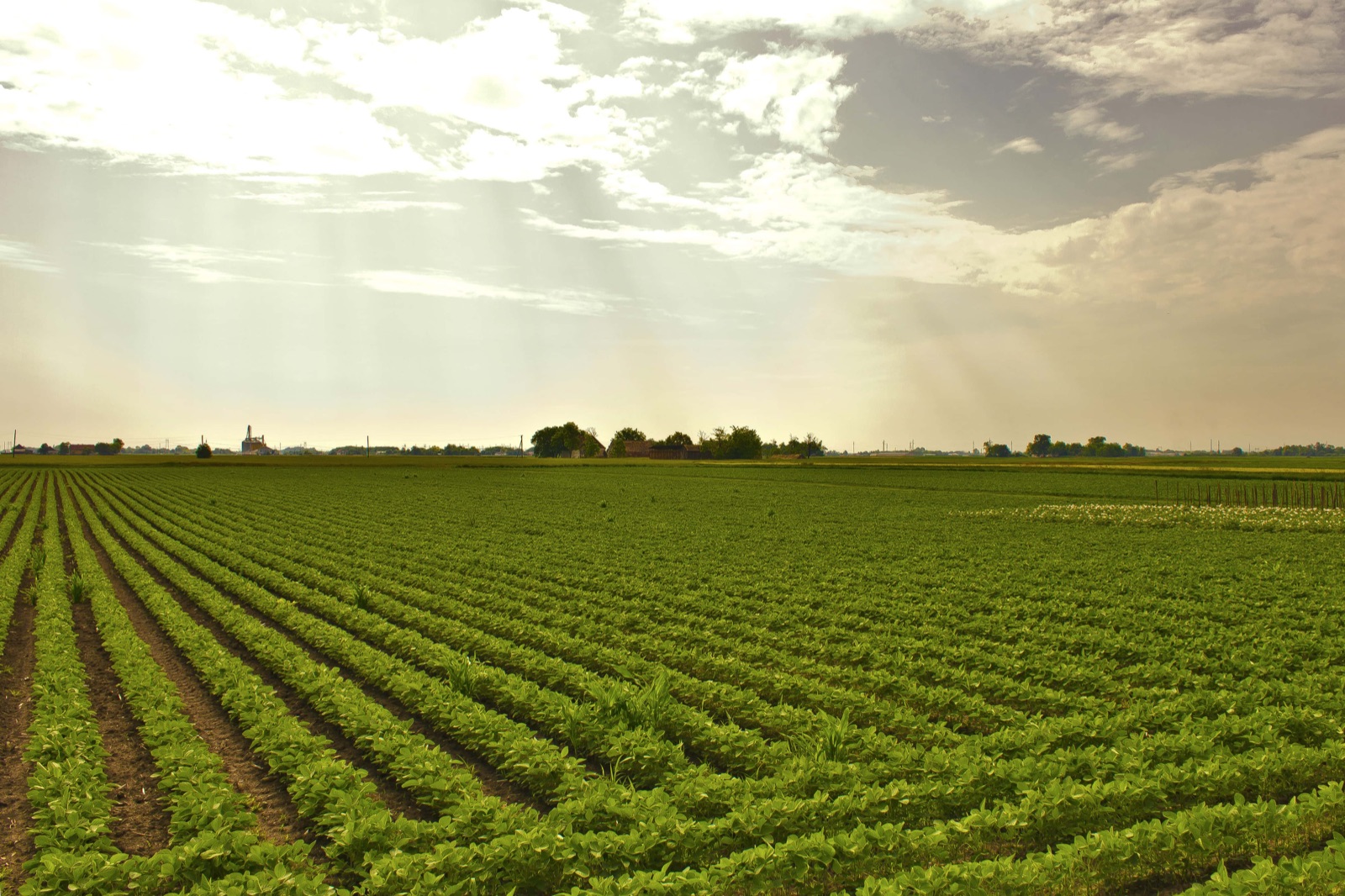
The atmosphere around your fields is 78% nitrogen. The paradox of modern agriculture is that, even surrounded by all this nitrogen, the plant cannot use a single molecule of it directly — atmospheric N2 is inert, locked by a triple bond that few life forms know how to break.
That is where biologicals come in.
What biological nitrogen fixation is
Biological nitrogen fixation (BNF) is the process by which diazotrophic bacteria convert N2 from the air into ammonia (NH3), a form the plant absorbs and turns into protein. These bacteria carry an enzyme — nitrogenase — capable of breaking nitrogen's triple bond using energy supplied by the plant itself.
In exchange for sugars from photosynthesis, the microorganism delivers ready-to-use nitrogen. It is one of the most efficient symbioses in nature, and it sustained ecosystems for millions of years before any industrial fertilizer existed.
Why it cuts cost
In most operations, nitrogen fertilizer is the most expensive input and the most volatile in price. It is also the one with the highest losses: part volatilizes, part leaches, part becomes nitrous oxide. When an efficient microbial population establishes in the rhizosphere, it supplies a relevant fraction of the crop's N demand — and that fraction stops leaving your pocket.
In well-nodulated soybean, BNF can account for more than 70% of the nitrogen the plant consumes. In grasses such as corn and sugarcane, associative and endophytic bacteria do not replace all fertilizer, but they reduce the required dose while keeping yield.
The three pillars of BNF that works
Not every inoculation delivers. What separates success from failure:
- The right strain, alive and in sufficient numbers. The correct species is not enough — you need a concentration of viable cells and compatibility with the crop and soil.
- Compatibility with chemical management. Aggressive seed treatments kill the inoculant before it reaches the root. The formulation must protect the bacteria.
- A soil environment that sustains the microbiota. Compacted soil, poor in organic matter and with unbalanced pH, will not keep the population alive.
BNF is not a product you apply and forget. It is a biological system you install and feed.
The BioPulse BNF package
The bacterium does not work alone. Nitrogenase — the enzyme that breaks the N2 triple bond — depends on metal cofactors to exist and to function. Without them the strain is alive, but fixation does not happen at the speed the crop needs. And for the microbiota to establish, it needs a soil that feeds it. That is why the package combines three fronts:
- High-performance diazotrophic strains — Bradyrhizobium, Azospirillum, Nitrospirillum, Methylobacterium and Rhizobium, selected by crop and by soil.
- NiCoMo FBN — nickel, cobalt and molybdenum. Molybdenum is part of the active site of nitrogenase; cobalt is indispensable for cobalamin synthesis by rhizobia; nickel is a cofactor of urease, which closes the nitrogen cycle inside the plant. It is the nutrition the enzyme requires in order to operate.
- Activa — humic and fulvic acids. It conditions the soil, improves structure and CEC, chelates nutrients and creates the environment in which the inoculated microbiota actually establishes and persists. Without that environment, the applied strain does not survive the second week.
It is the difference between inoculating and installing a biological system.
The role of the BioPulse platform
At BioPulse, bioprospecting starts with AI-assisted screening of high-performance strains, followed by molecular characterization through metabolomics and metagenomics — to understand not only which microorganism works, but why it works. The result reaches the field as a complete technology package, with batch-to-batch consistency.
Want to see the effect in real numbers? Read the biological fixation case in soybean — 40% less nitrogen fertilizer with yield preserved.