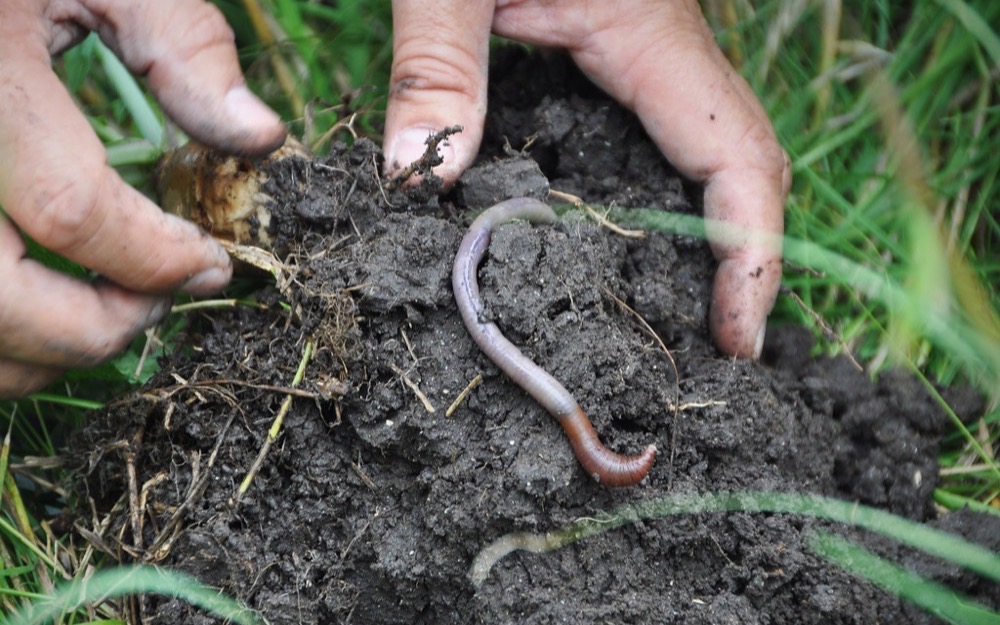
Why living soil yields more: the science behind the result
The chemical analysis doesn't tell the whole story: much of the nutrient you already paid for is locked in the soil. Biology is what unlocks it.
Read article →Applied science, field data and what drives biologicals.
This is where BioPulse publishes what the lab learns and the field confirms: trials run alongside growers, the mode of action of the microorganisms we develop, and the agronomic responses they produce in soybean, corn, sugarcane, coffee and vegetables. Every article carries the raw data — rate, application timing, soil conditions and measured outcome — so agronomists can judge the technology by what it delivers rather than by the claim. We publish the limits too: where biologicals do not replace chemistry, and what is still under test.
The articles fall into three tracks. Nutrition and biological fixation: how microorganisms unlock the nitrogen, phosphorus and potassium already present in the system, and how much of that converts into an actual cut in fertiliser. Stress resilience: how the crop behaves under drought spells, cold and salinity, and the role of biostimulants in keeping photosynthesis running once the plant closes its stomata. Living soil and cycling: organic matter, cation exchange capacity, moisture retention and the microbiota that underpins the other two tracks. Whenever the trial allows, we publish the methodology — replications, control plot and assessment timing — so the data can be challenged by people who know the field.
Filtering by "ciclagem de nutrientes" · clear filter
A BioPulse agronomist builds the right package for your operation — reply within 24 hours.
TALK TO AN AGRONOMIST →